

In my time at Epigram, a super intern comes along once in every… 8 or 10 interns. That one amazing intern is meticulous, takes the work very seriously and completes all the things you could do if you had more time! She has the bravery to cross out redundant words when proofreading and recommend books to customers she has never met, introvert or not. Well, Zelda is our super intern, and she has been with us since May this year!
For this newsletter, I sat down for a chat with Zelda, and it turned out to be quite a conversation!
In this issue
Our chat with Zelda
Zelda's book recs
What's on: EBFP longlist, Anton launch and SWF 2026
So, let's start from the beginning. How did you end up at Epigram Books?
Zelda: Pragmatically, it's because I had to do an internship requirement to graduate from uni. But I did want to join publishing, since I enjoy working with books. And I mean, it's quite a cliché lah, English Lit student goes into publishing. So yeah, ended up here.
And it was also through the SBPA programme, right?
Zelda: Yes, correct. But I was also quite inspired to go into publishing by The Great Passage by Shion Miura, about making a dictionary.
I think I read it when I was not working at Epigram, and I was like, wah, I do miss this whole publishing industry. It's so different, though, publishing dictionaries.
Zelda: Yeah, it's a whole different game. Time-heavy; you have to be super up to date. But in terms of the collaborative process or the environment, working at Epigram was honestly quite similar.
But there's no author, right?
Zelda: There's no author. I guess everyone contributes a bit here and there, which is also quite similar here. We have our various proofreaders around.
Speaking of collaboration, what is something about Epigram that you only figured out after you joined us?
Zelda: I think it was the editing process of a book. I used to think that, okay, the authors submit their manuscript, and then editors just maybe do grammar, proofread, and then boom, it becomes a book. But then I realised it's a lot more of a collaborative process. It really is a sort of teamwork.
I guess different authors have different writing processes.
Zelda: Yeah.
Since we are on books, were you reading a lot of Sing Lit before, or did you start reading a lot more after working here?
Zelda: I did read quite a bit of Sing Lit before this, but those were more poetry. Fiction, not as much, though I did read a bit here and there. It was only after joining Epigram that I really got a feel of what the Singaporean fiction field is like. Before this, I just thought, okay, it's like a very typical historical Singapore era kind of thing. Then I realised we actually have a lot of different writers writing different genres. There's sci-fi, there's fantasy...
I guess people assume a lot of Singapore literature is historical fiction or ghost stories.
Zelda: Yeah, but there's a lot more than that. And the contemporary fiction scene in Singapore, I think, is also quite underrated.
That's true. Okay, behind the scenes now. You have done everything from proofreading to sorting the storeroom to our bazaars. Which task did you secretly enjoy the most?
Zelda: I like when I had to sort out Epigram's archival library, because I could just be in my own space. It was quite fun. I became a bit more familiar with how old our books are and how much they have sold (based on number of reprints), and with what books we have. It was only when I was sorting through that I realised there are many different versions of the same book. I tend to be a bit more introverted sometimes, so it's nice to just chill out with the books alone. That's the one I secretly enjoy. But in terms of outwardly enjoying, bazaars. Talking with the customers.
You mentioned talking to customers. Between pop-ups, events and online orders, which taught you the most about how our readers actually buy books? And is that different from how you buy books yourself?
Zelda: Definitely bazaars and pop-ups, because you get to observe how they approach the books, what questions they ask, whether they'll even come to you with questions, since they see you as the bookseller, the one most familiar with the whole repertoire of books. It's quite funny. Whenever they come to me and ask what I would recommend, I'll throw the question back to them: what do you enjoy reading? Because if I recommend everything that I like to read, that's just my own preference. They might not like it.
I personally don't really like people approaching me when I'm browsing for books. I like to just quietly browse on my own. But as the person behind the booth, it's also a bit awkward standing there watching people browse, right? So I'll just say "Hi, if you have any questions, feel free to ask", and then let them browse on their own. Usually they will eventually ask me a question about a specific book they're looking at, or for recommendations in a certain genre. It's very fun to just chat with them about what they like to read. As a customer in different indie bookstores, I also do enjoy yapping with the salespeople or the bookstore owner.
So when someone does ask you for a recommendation, which book do you feel really good recommending at a pop-up, and what do you say about it?
Zelda: Any book by Daryl Qilin Yam. Honestly, I think he's my favourite Singaporean author so far, because his writing style is very dreamy. That's how I usually pitch his books to people. I feel like his books tend to be quite hidden at our bazaars, because we tend to push the more striking, more straightforward fiction. But I prefer a more literary style. There was one bazaar where I realised people around my age tend to prefer that style of writing. So I would just tell them he explores that crossing of paths of people, and it feels very human, which I think is something a lot of people are looking for. There are a lot of crossing narratives, and it echoes the way we live our lives. And his books feature a lot of people on the margins: like queer people, or people from minority races and religions, and the intersecting positions these people have, that we don't really see or read about, or don't have the opportunity to listen to. I think all these narratives are put forth in his stories very, very well. I think my pitch works. I managed to sell quite a number of them at one of our bazaars.
He will be happy to hear that. And on the topic of authors, what is it like working with them up close, when they come into the office for book signings or when you approach them at events?
Zelda: I think they're just always very excited about their books, and that excitement is very infectious. It's hard not to feel happy for them. Even if I've looked at the book and it's not really my thing personally, when they look at their book in print for the first time and they're like "wow," it's very difficult for me not to also be like "wow". I can't believe I was part of this process. I'll never be acknowledged in their acknowledgements, but it's okay. Just knowing that I was part of the process is very satisfying for me.
You have pitched a few things yourself too. Was there an idea you suggested that the team actually ran with?
Zelda: I think it was for the recent Indie Bookshop Day. Unfortunately, Influenza A took me out, so I couldn't see it through completely. But I did pitch some ideas, like the indie book swap event, as well as putting up our staff recommendation cards in our bookstore, to make it feel more human, more lived in, more homely.
Yes, if there's a chance for them to get excited about our books, they will go ahead and write essays.
Zelda: So it was definitely a team effort. I couldn't have done it on my own. But it was very lovely coming back after being sick for a whole week and seeing all the little cards. I also heard that the card I wrote for the book I recommended actually sold quite a number of copies!
What's that book?
Zelda: Be Your Own Bae (also by Daryl Qilin Yam). According to Alyssa (another intern), people read the card, picked the book up, and then bought it.
Okay, a fun one. What is the strangest note a customer has left on an order?
Zelda: Not a strange note on an order, but I'll never forget when a group of queer men came to our bazaar at Boutiques SG, and we all were gushing over The Formidable Miss Cassidy. Then one of them talked about Mister Kay and said he envisions him as Pierre Png. He was very enthusiastic about it. He was like, "Wah, Mister Kay is such a gentlemanly older man!" I'm like, "Yeah, I get you!"
Okay, lastly, for anyone reading this and thinking of applying, what should they know before they say yes?
Zelda: Disclaimer: if you want this job because you love books, turn away right now, because reading books will become part of your job, and sometimes reading manuscripts is gruelling. Make sure you find time to read books you enjoy outside work too.
Before we wrap up, any last words?
Zelda: Don't be scared to go into publishing. I think it's a fun experience and it's quite rare, especially in Singapore. I didn't think I would get to work so closely with books in my life. I thought the closest I could get was working in NLB, but here, I get into the process of making the book itself. It's quite lovely lah!
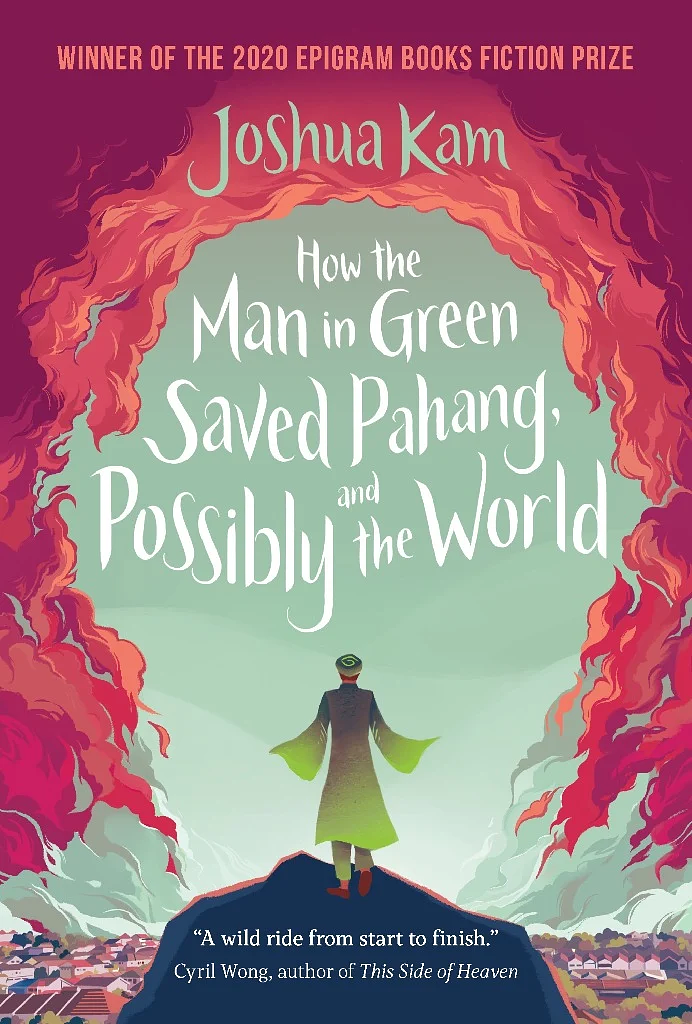
They say to never judge a book by its cover, but I'm partial to pink and green tones and any art that reminds me of Friedrich's Wanderer Above the Sea of Fog. I can't believe it took me this long to pick it up!
Its titular character is a prophet in KL with a striking introduction, only to be un-introduced, as he vanishes just as fantastically shortly after. The rest of the novel follows a ride down the Malaysian coast (with this mysterious protagonist constantly on the periphery, I suspect) intertwined with mythologies and theologies that are unravelled in the process. I'm only one chapter in, but it's already a blast! The book's summary calls it "perilously punk", and I'm inclined to agree. If a queer protagonist subverting expectations in a fantastic spectacle isn't punk, I don't know what is.
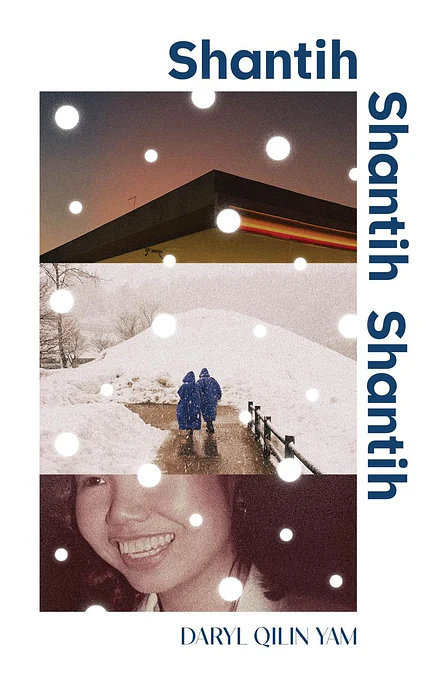
Snow falls in Singapore for four minutes and twenty-six seconds exactly. The impossible (for now at least, barring climate change) mixes with the mundane as we take a peek into twelve people's lives in the moment they encounter this phenomenon. Our cast is diverse, from an underpaid drag queen at a yacht party to a washed-up drunkard. Each character has their own chapter, though their stories aren't isolated from one another; their paths cross in innocuous ways. And you don't need to read these chapters in chronological order, either!

I burned through the Horrible Histories books as a child, so it's no surprise that I love the quirky retellings of Singapore's history. Raffles founded this, Raffles founded that, but did you know you could've found an alcoholic bear in his house? I sure didn't! More than fun facts and silly anecdotes, however, this book shifts the spotlight from the overly glorified British to Southeast Asian figures like Queen Engku Puteri, who was instrumental in building our nation. This book series really gets us questioning the versions of history that we're taught. My primary school teachers are probably relieved that Crazy Colonisers was only published this year. I would've been insufferable during Social Studies class.
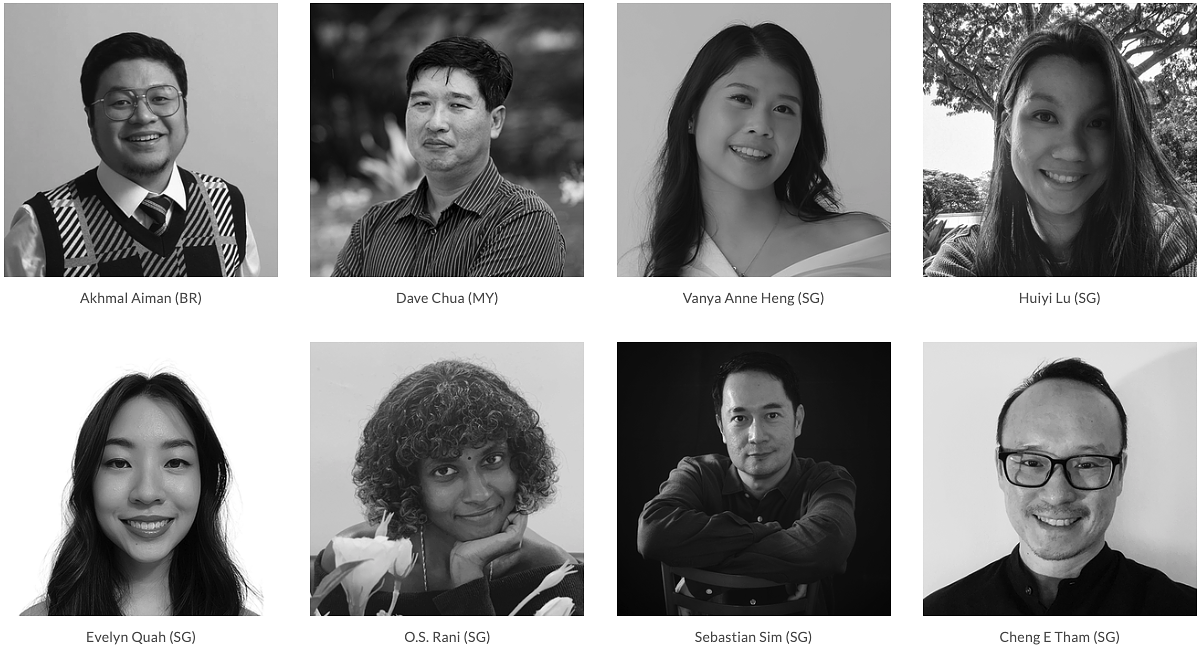
This year, we have 4 familiar faces and 4 new names to welcome! From theatre and writing to law, economics and engineering, these 8 amazing writers come from a diverse range of backgrounds that inform each of their works in unique ways.
Congratulations once again to the longlisted writers and stay tuned for our shortlist reveal!
Read more on the Epigram Books Fiction Prize 2027
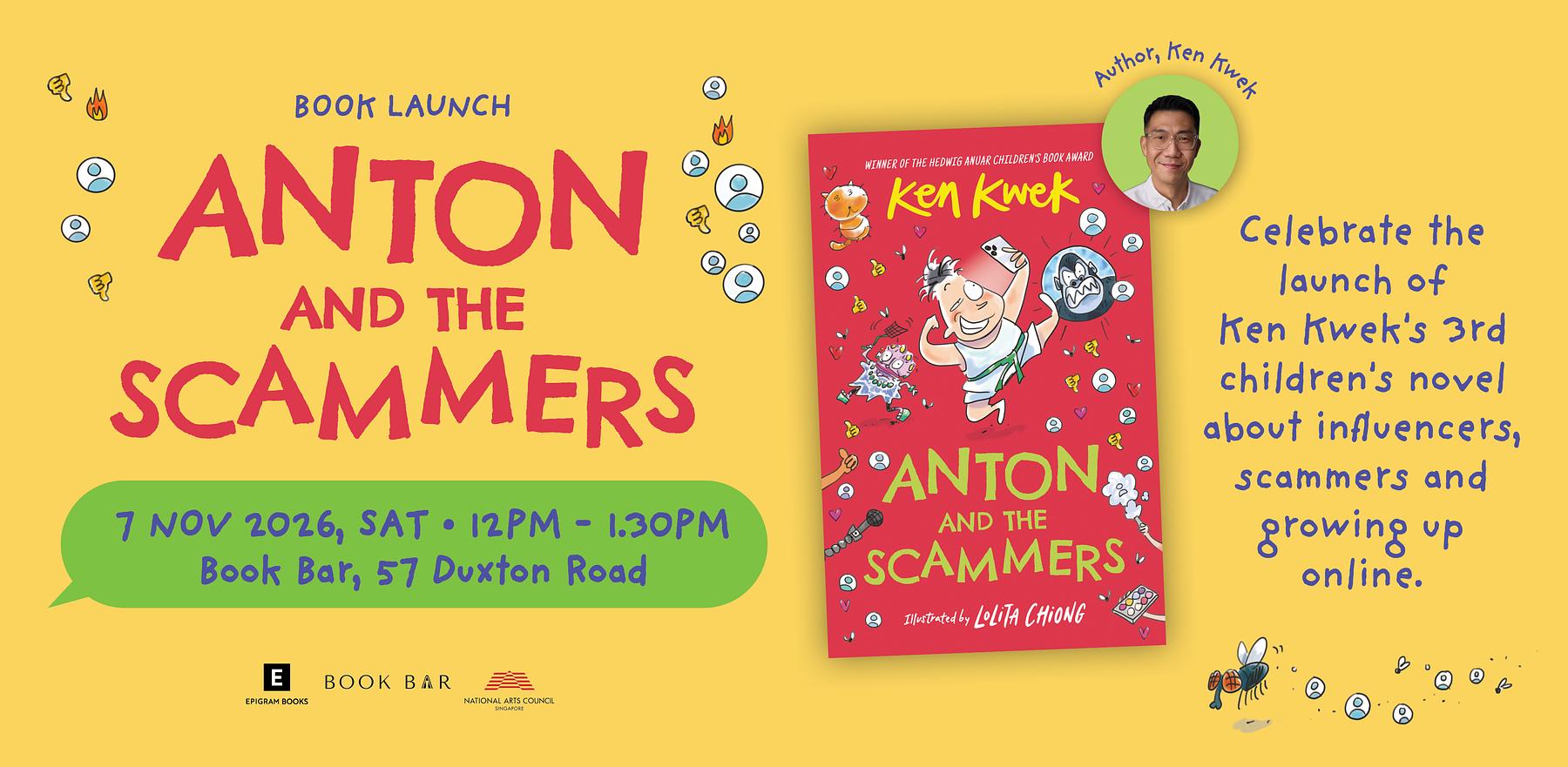
Ken Kwek brings humour to the world of influencers, scammers and growing up online.
Join us for the launch of Anton and the Scammers, a funny and timely story about family, fame and growing up in the digital age. We will talk about influencer culture, online scams and what inspired Anton's latest adventure.
Recommended for ages 9 to 12 and their parents!
Date: Saturday, 7 Nov 2026
Time: 12 pm - 1.30 pm
Location: Book Bar, 57 Duxton Road
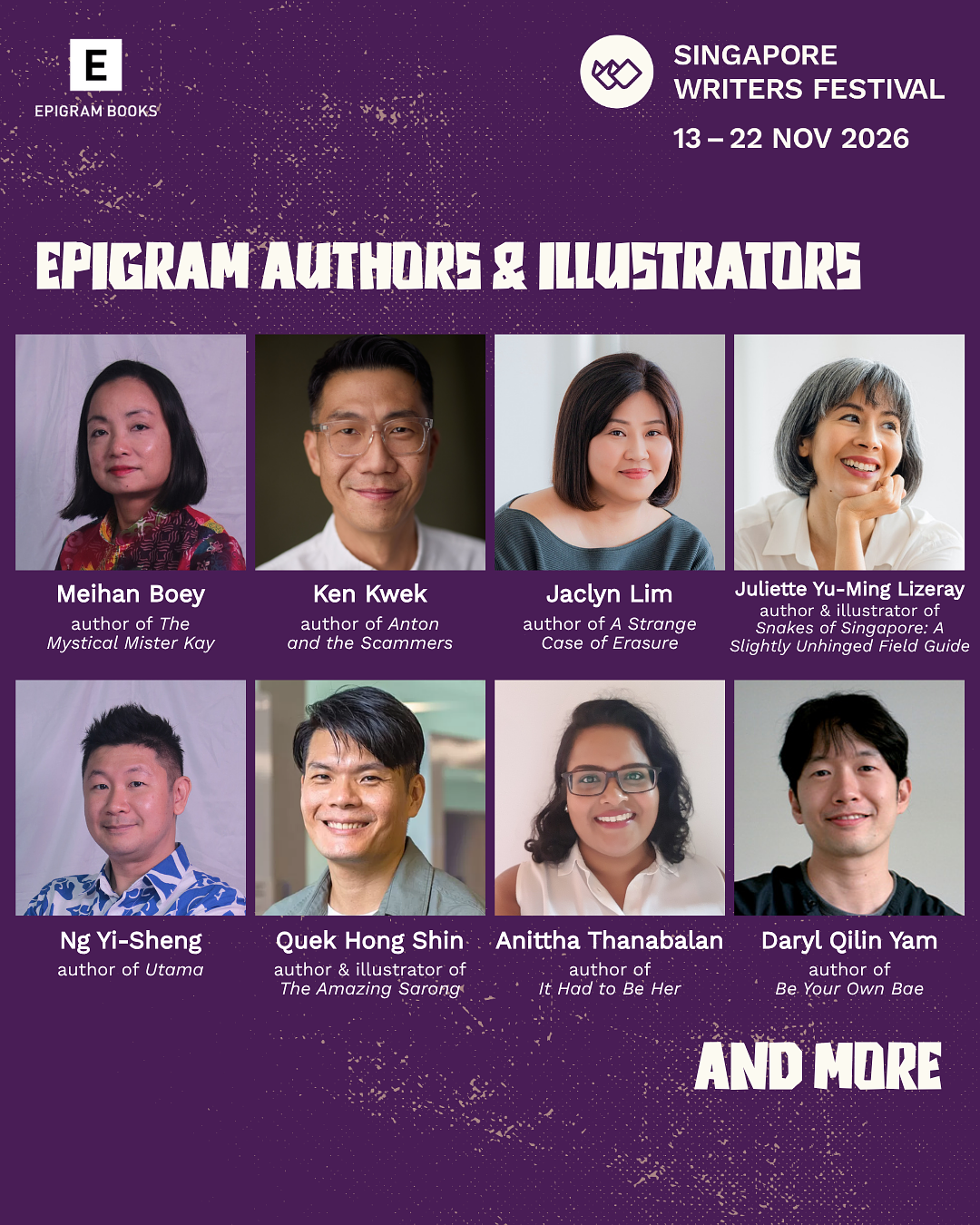
This year's theme is Hidden in Plain Sight, and our authors are everywhere: on crime panels, at book launches, on a scent walk through Chinatown and in the closing debate. View the full list on our website to plan your festival weekend!
View the full list of Epigram authors at SWF 2026
Thanks for reading again; here's your GIF of the week.
POV: leaving office in the haze
Warmly,
Zelda and Chloe
Leave a comment